
Introduction
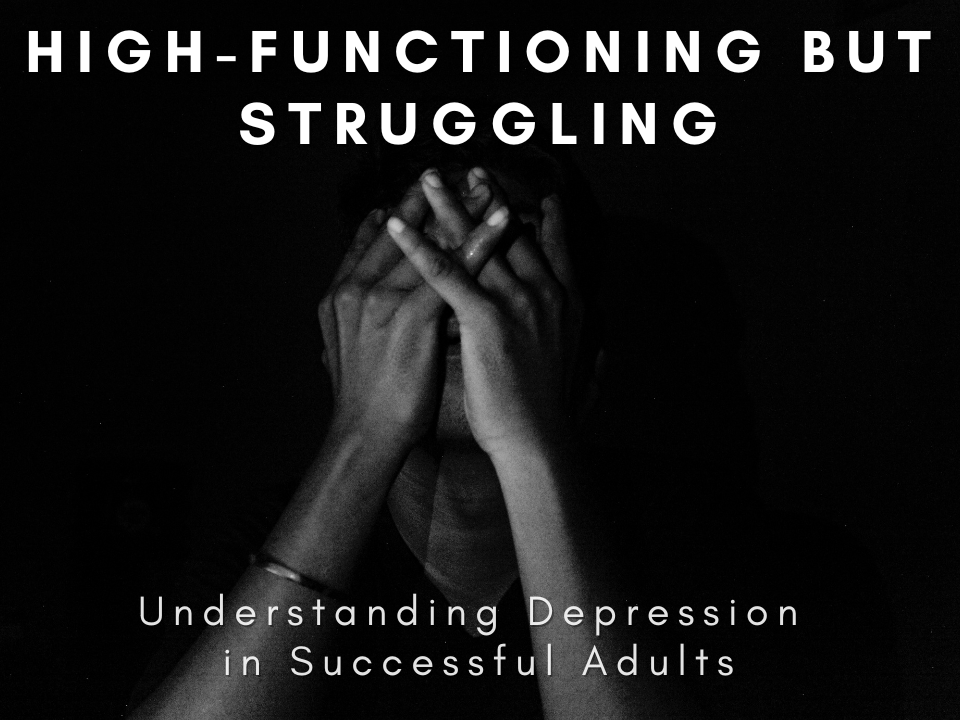
You smile. You get things done. You meet deadlines, maintain relationships, and handle responsibilities — all while appearing calm and in control. To the outside world, you’re thriving. But inside, there’s a quiet heaviness that doesn’t go away. If this resonates with you or someone you know, it might be more than just stress — it could be high-functioning depression.
In a society that values output over emotional well-being, high-functioning depression often goes unnoticed — both by others and by those experiencing it.
What Is High-Functioning Depression?
High-functioning depression, often clinically aligned with persistent depressive disorder (dysthymia), is a form of depression where an individual continues to manage daily responsibilities while internally battling ongoing emotional distress. It doesn’t always involve crying or staying in bed. Instead, it may look like attending meetings, cracking jokes, and maintaining appearances — all while feeling empty, fatigued, and unmotivated.
Unlike major depressive disorder, high-functioning depression may not cause extreme dysfunction, but it chips away at your quality of life over time.
Common Signs to Look Out For :
- You feel emotionally numb or constantly exhausted despite achieving things.
- You have trouble feeling joy or excitement, even for things you once loved.
- You’re highly self-critical and often feel you’re not doing enough.
- You keep busy to avoid your own emotions.
- You experience low self-worth but dismiss it as “just how life is.”
Why It’s So Often Missed
High achievers and caregivers are particularly vulnerable. Society praises their consistency and strength, which further pressures them to hide emotional pain. When the external performance continues, few think to look beneath the surface. Even well-meaning friends and family may say, “But you’re doing so well!” — reinforcing silence.
The Psychiatric Perspective
A psychiatrist doesn’t just listen to symptoms — they evaluate your mental and emotional patterns in the context of biology, life stressors, and lifestyle. High-functioning depression may benefit from medical support, lifestyle restructuring, and sometimes antidepressant treatment to rebalance neurotransmitters.
When to Seek Help
If your default mood is dullness, fatigue, or indifference — even when everything seems fine — it’s worth speaking to a mental health professional. Especially when symptoms persist for more than 2 weeks and begin affecting sleep, appetite, motivation, or relationships.
You Don’t Need to “Break Down” to Get Help Mental health support isn’t reserved for breakdowns. Early intervention leads to better outcomes and faster recovery.