The Silent Weight of Shame – How Guilt Impacts Adult Mental Health

Introduction

You feel like you’re constantly apologizing — even when you’re not at fault. A voice in your head questions your worth. You’re haunted by things you did… or didn’t do.

This isn’t just overthinking. It’s emotional guilt — and when left unchecked, it turns into chronic shame. Unlike fear or sadness, guilt lingers quietly and reshapes how we see ourselves.
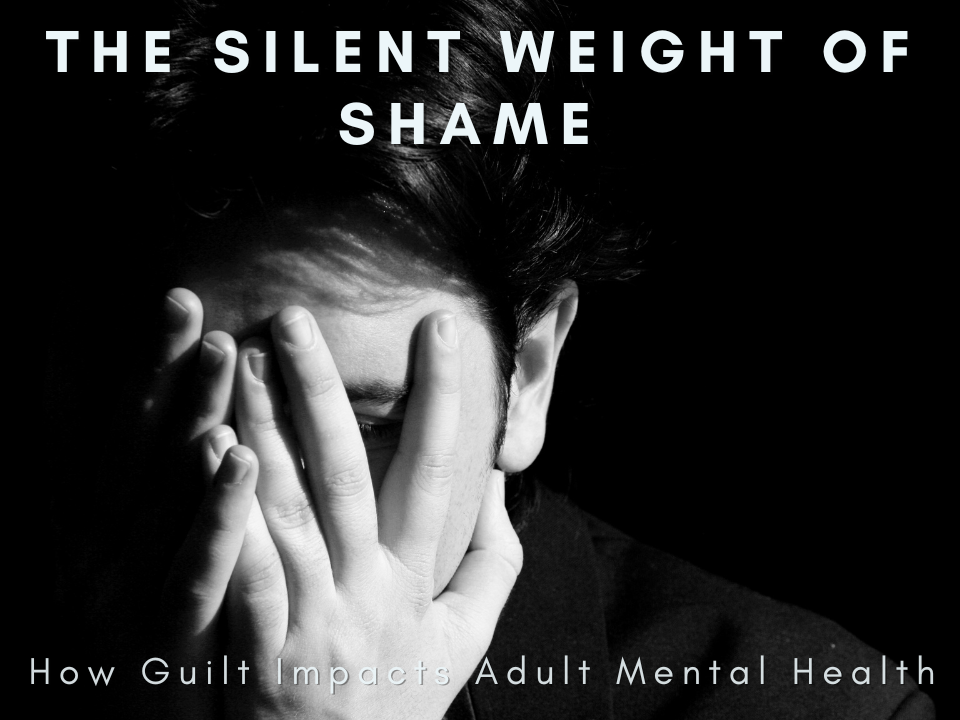

Understanding Guilt vs. Shame

  • Guilt = I did something wrong
  • Shame = I am something wrong

Chronic guilt and shame are deeply linked with depression, anxiety, people-pleasing behavior, and even physical symptoms like fatigue and digestive issues.

How It Affects Adults

  • Fear of saying no
  • Avoiding vulnerability
  • Overcompensating in relationships or work
  • Feeling like you “owe” the world something constantly

Why Psychiatry Matters

Shame isn’t just a personality trait — it’s often linked to childhood conditioning, trauma, or unhealed relational wounds. Psychiatrists can help uncover patterns, name the hidden root causes, and support both emotional and neurochemical healing.